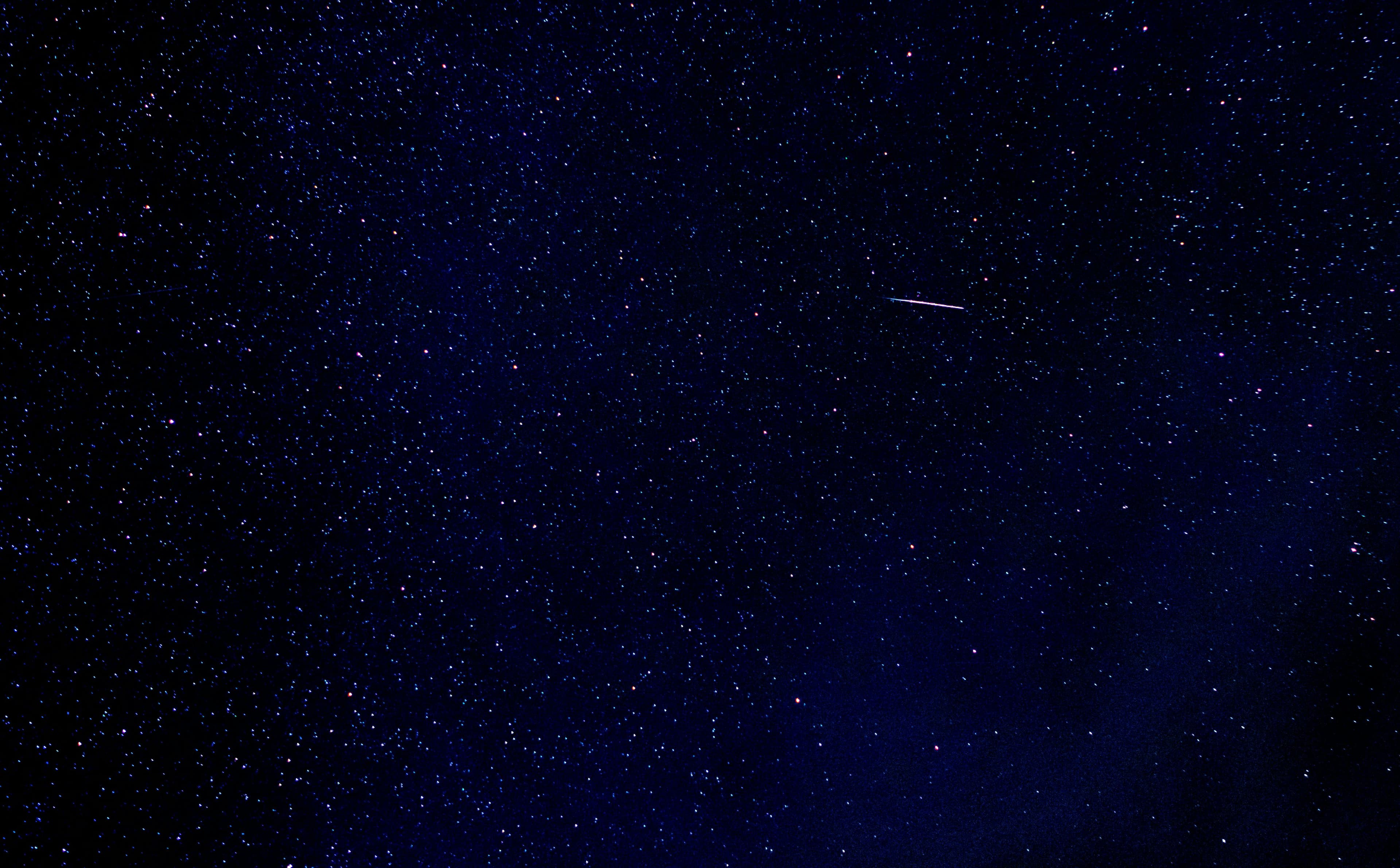
12 Best Dark Sky Areas for Stargazing in Michigan (2026 Guide)
Discover Michigan's premier dark sky parks and stargazing destinations. Complete guide to the best spots for viewing the Milky Way, meteor showers, and Northern Lights.
Why Michigan Is Perfect for Stargazing
Michigan offers some of the darkest skies in the Midwest, making it an ideal destination for stargazing and astrophotography. With minimal light pollution in remote areas, clear air from the Great Lakes, and over 100 state parks and forests, the Great Lakes State provides exceptional opportunities to view the Milky Way, meteor showers, and even the Northern Lights.
The combination of Michigan's geography—surrounded by the Great Lakes with vast stretches of wilderness in the Upper Peninsula—creates unique atmospheric conditions perfect for astronomy. From officially designated International Dark Sky Parks to hidden gems in state forests, Michigan's stargazing locations rival destinations across North America.
Whether you're an experienced astrophotographer or simply want to experience the wonder of seeing thousands of stars with the naked eye, Michigan's dark sky areas offer unforgettable celestial experiences throughout the year.
1. Headlands International Dark Sky Park (Mackinaw City)
Michigan's Premier Dark Sky Destination
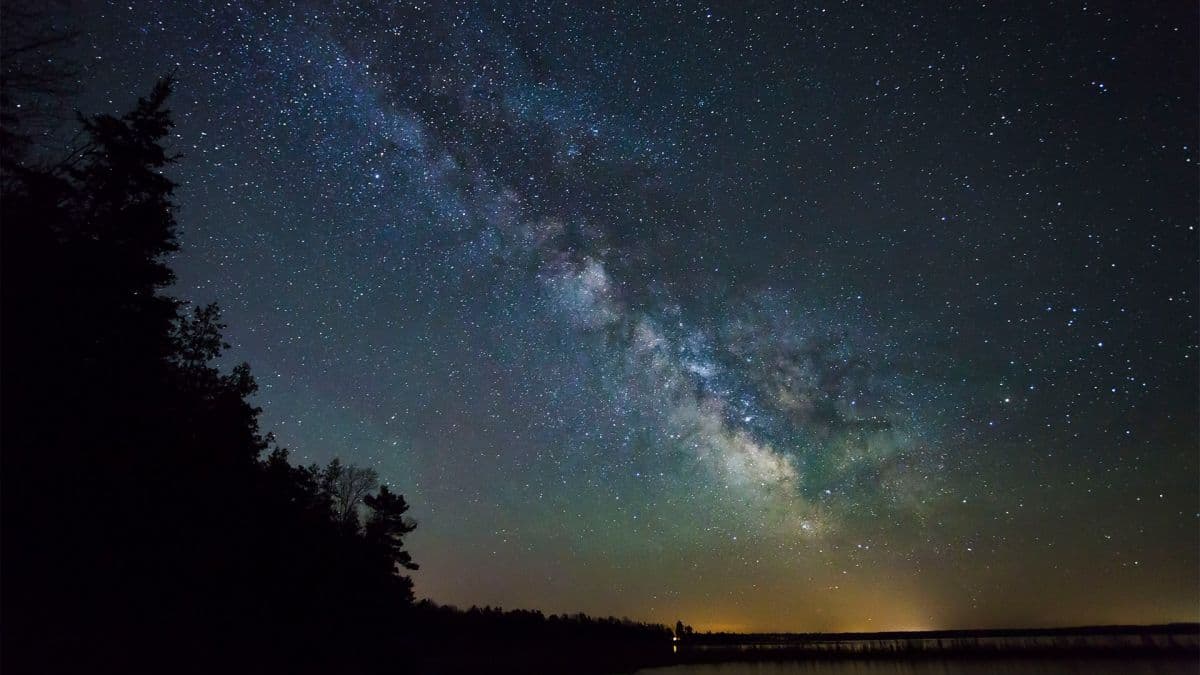
Located at the tip of Michigan's Lower Peninsula, Headlands International Dark Sky Park is the state's first and only officially designated International Dark Sky Park. This 600-acre preserve offers some of the darkest skies in the lower Great Lakes region, with a Bortle Scale rating of 2-3 on the darkest nights.
What Makes It Special: Headlands features dedicated astronomy observation areas, red-light pathways to preserve night vision, and regular star parties hosted by local astronomy clubs. The park sits on a peninsula surrounded by Lake Michigan and Lake Huron, creating exceptional atmospheric clarity.
Best For: Milky Way photography, meteor showers, Northern Lights viewing, and educational astronomy programs. The park offers some of the most reliable dark skies in Michigan, with over 200 clear nights per year.
Visitor Info: Open year-round, free admission. Facilities include observation platforms, parking areas, and interpretive signage. Located just 4 miles west of Mackinaw City on Central Avenue.
2. Keweenaw Peninsula (Upper Peninsula)
Remote Wilderness Under Dark Skies
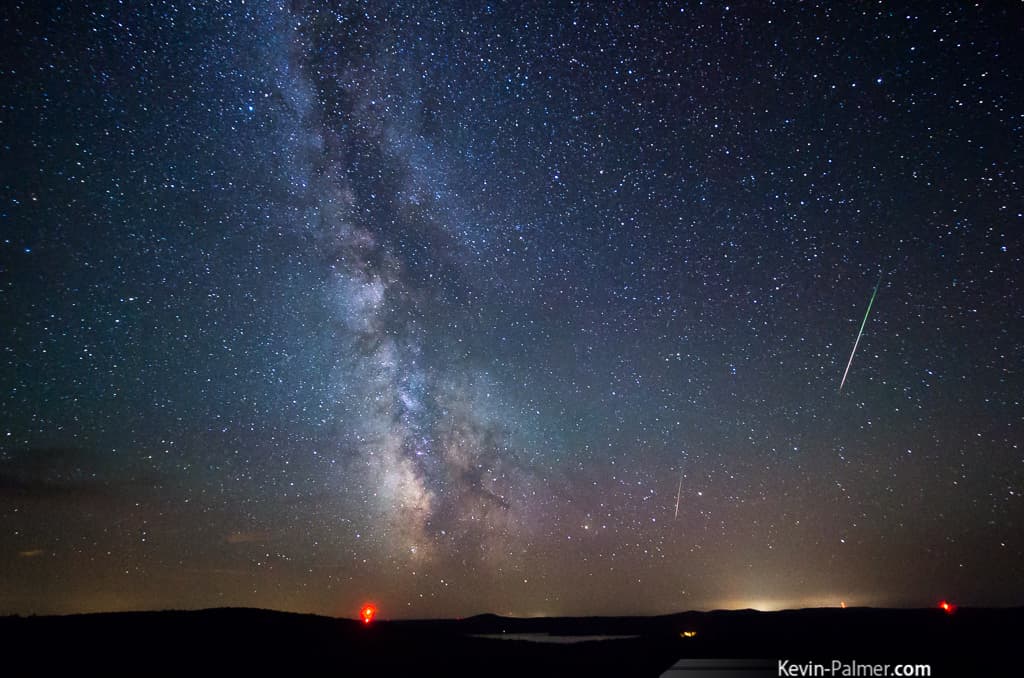
The Keweenaw Peninsula extends into Lake Superior, offering some of Michigan's most remote and darkest skies. This rugged region features minimal light pollution, crystal-clear air, and exceptional opportunities for viewing the Northern Lights due to its northern latitude.
Top Viewing Spots: Brockway Mountain Drive (highest point between the Rockies and Alleghenies), Copper Harbor waterfront, Fort Wilkins State Park, and along the Keweenaw Heritage Trail.
Why Visit: The Keweenaw combines dark skies with stunning Lake Superior scenery. During auroral activity, the Northern Lights reflect off the lake's surface, creating spectacular displays. The area's elevation and clean air make it ideal for deep-sky observation.
Tips: Visit autumn through spring for best Northern Lights chances. Summer offers warm weather and clear skies for Milky Way viewing. Bring warm clothing year-round—temperatures can drop dramatically at night.
3. Porcupine Mountains Wilderness State Park
Old-Growth Forest Meets Dark Skies
The Porkies offer 60,000 acres of wilderness with virtually no light pollution. This massive park features old-growth forests, Lake Superior shoreline, and excellent elevation for stargazing away from lowland haze.
Best Viewing Areas: Lake of the Clouds overlook, Summit Peak observation tower, Lake Superior beach areas, and backcountry camping sites. Each location provides different perspectives and atmospheric conditions.
What You'll See: On clear nights, the Milky Way stretches brilliantly overhead. The park's dark skies reveal thousands of stars invisible from urban areas. Northern Lights appear regularly during geomagnetic storms.
Planning Your Visit: Backcountry camping offers the darkest skies, but the Lake of the Clouds overlook provides easy access with minimal hiking. Visit during new moon phases for optimal darkness.
4. Sleeping Bear Dunes National Lakeshore
Dark Skies Over Lake Michigan
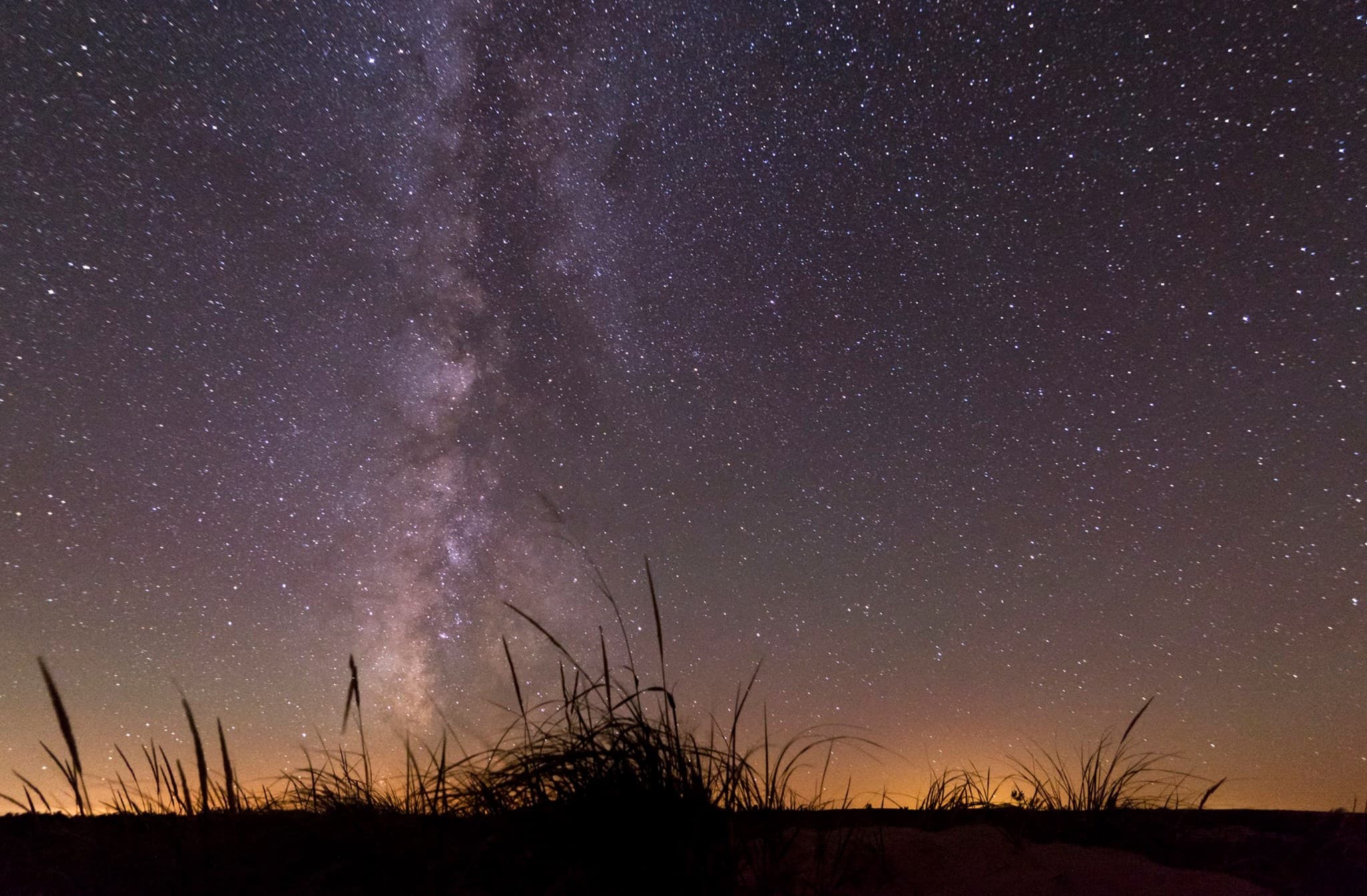
While more accessible than remote UP locations, Sleeping Bear Dunes offers surprisingly dark skies thanks to its distance from major cities and location on Lake Michigan. The park's elevation and clear lake air create excellent viewing conditions.
Prime Locations: Pierce Stocking Scenic Drive overlooks, North Manitou Island (exceptional darkness), South Manitou Island, and Pyramid Point. Each offers unique perspectives and darkness levels.
Why It Works: Lake Michigan creates a buffer zone from western light pollution. The park's elevated dunes provide clear sightlines to the horizon, perfect for sunset-to-stars photography and meteor shower viewing.
Access: More convenient than UP destinations while still offering genuine dark sky experiences. The park offers camping, lodging, and multiple access points along the scenic Heritage Trail.
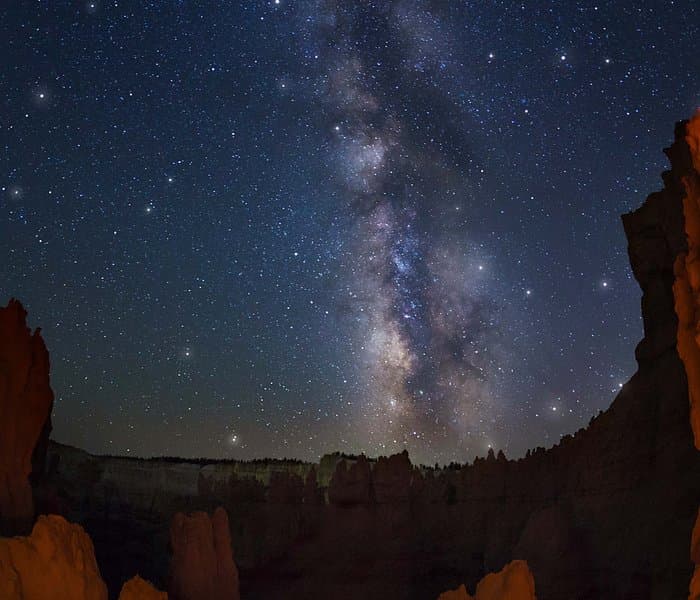
5. Wilderness State Park (Mackinaw City Area)
Accessible Dark Skies Near Headlands
Adjacent to Headlands Dark Sky Park, Wilderness State Park offers 10,000 acres of forests, trails, and Lake Michigan shoreline with excellent dark sky viewing. The park provides a more rustic experience compared to developed observation areas.
Viewing Areas: Beach areas along Sturgeon Bay, backcountry campsites, and trails throughout the park. The shoreline offers unobstructed northern views ideal for Northern Lights watching.
Advantages: Combine stargazing with camping and daytime outdoor activities. The park's extensive trail system allows you to find isolated spots away from any residual light.
Best Times: May through October for comfortable weather. Winter viewing offers crisp, clear skies but requires cold-weather preparation.
6. Au Sable Point (Pictured Rocks National Lakeshore)
Dark Skies Over Superior's Shore
Located within Pictured Rocks National Lakeshore, the Au Sable Point area offers spectacular dark skies combined with Lake Superior's dramatic coastline. The lighthouse and surrounding beach create stunning foreground subjects for astrophotography.
What Makes It Special: The combination of dark skies, Lake Superior shoreline, historic lighthouse, and colorful sandstone cliffs creates unique composition opportunities. The area's remoteness ensures minimal light interference.
Viewing Experience: Clear northern horizons make this spot excellent for Northern Lights viewing. The Milky Way rises over Lake Superior during summer months, creating memorable scenes.
Access Note: Requires 1.5-mile hike from parking area. Bring flashlights with red filters to preserve night vision and navigate the trail safely.
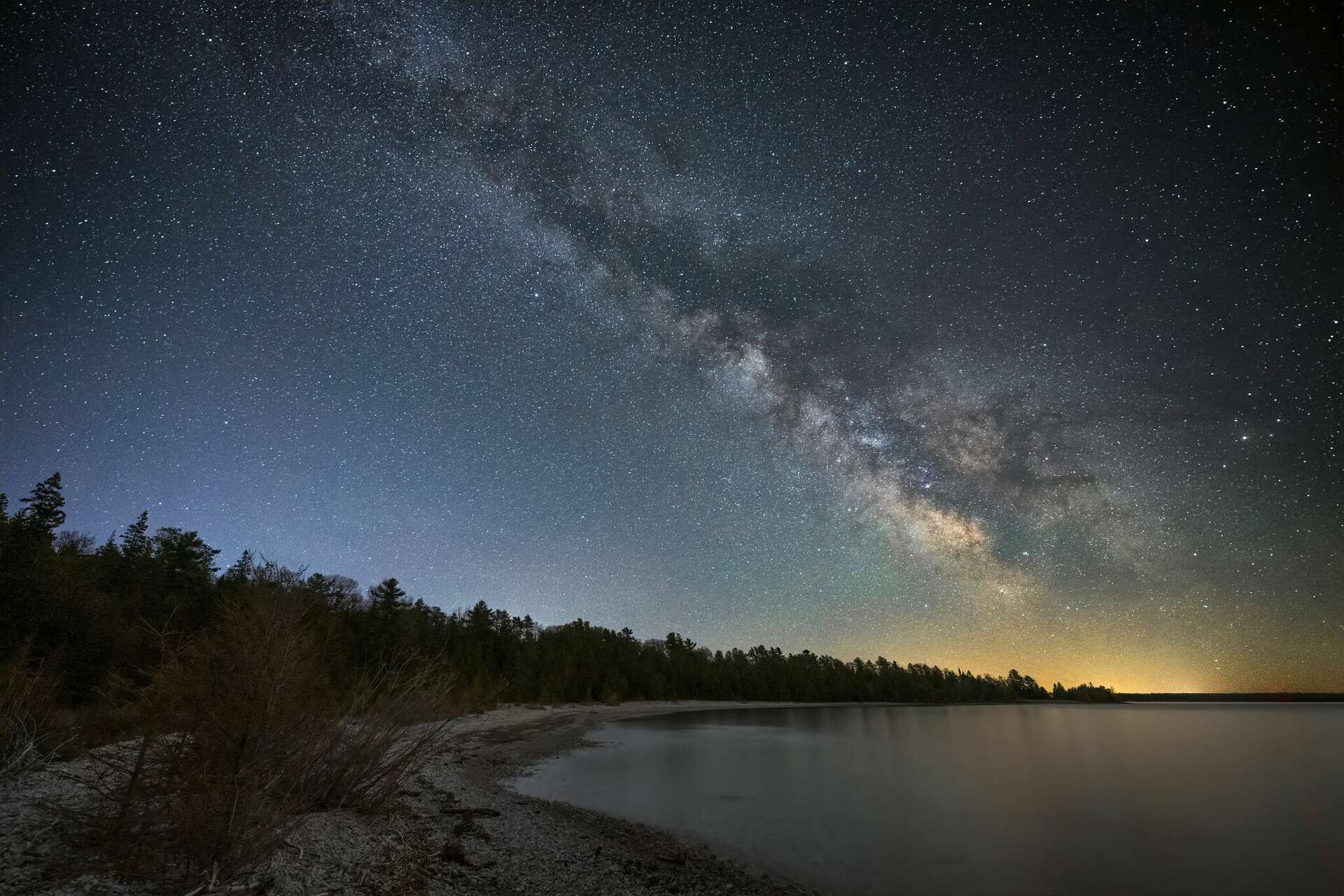
7. Negwegon State Park (Lake Huron)
Michigan's Hidden Dark Sky Gem
One of Michigan's least-visited state parks, Negwegon offers exceptional dark skies with almost no development or facilities. This 2,469-acre park features pristine Lake Huron shoreline and complete solitude under the stars.
Why It's Dark: Minimal development, difficult access (unmaintained roads deter casual visitors), and distance from towns create naturally dark conditions. The park sees fewer than 10,000 visitors annually.
What to Expect: Bring everything you need—no facilities, no lights, just wilderness and stars. The park's isolation makes it perfect for serious astrophotography and deep-sky observation.
Best For: Experienced outdoors enthusiasts seeking true wilderness stargazing. Not recommended as a first-time destination due to challenging access.
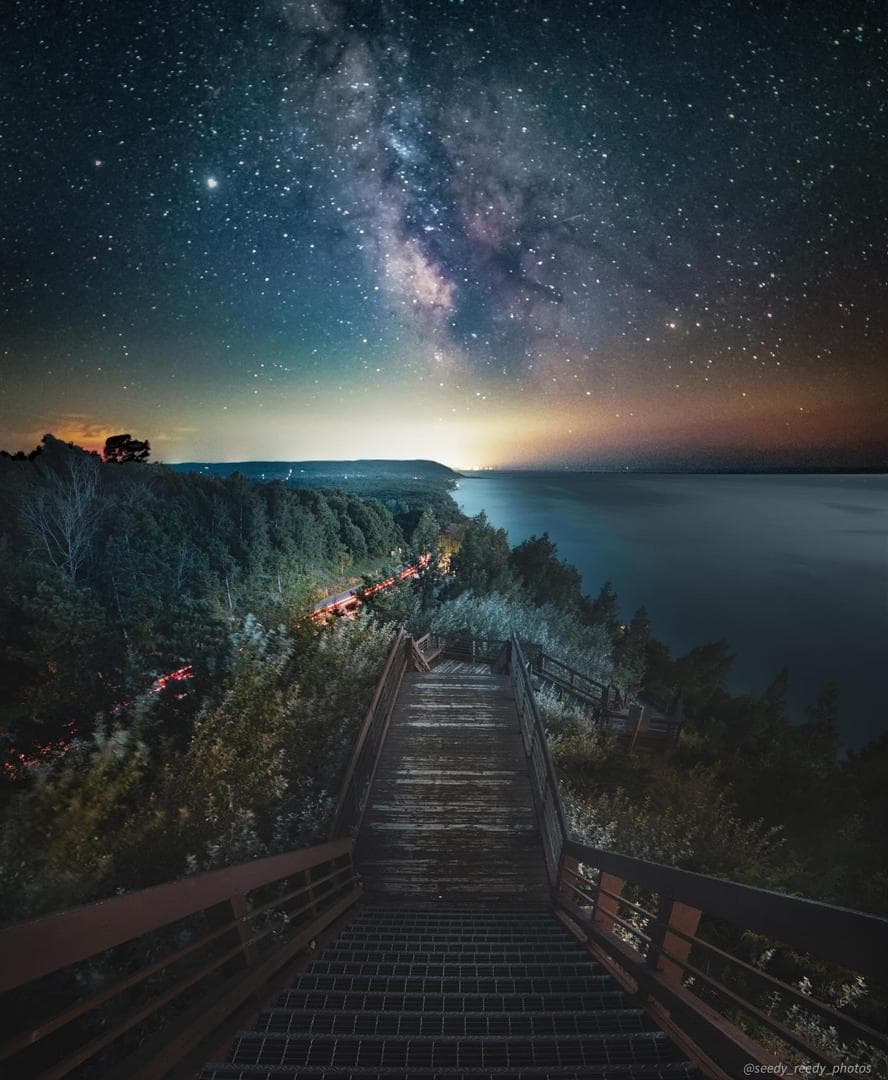
8. Manistee National Forest
Vast Dark Skies in Lower Peninsula
Covering over 540,000 acres across northern Lower Michigan, Manistee National Forest provides numerous locations with dark skies and easy access. The forest's vast size and low population density create excellent viewing conditions.
Top Spots: Nordhouse Dunes Wilderness Area, Loda Lake Wildflower Sanctuary (after hours), dispersed camping areas along forest roads, and various trailheads throughout the forest.
Advantages: Multiple access points mean you can find dark skies close to your location. Forest roads allow you to drive to remote viewing spots. Dispersed camping lets you sleep under the stars.
Planning Tips: Use forest road maps to find remote spots. Scout locations during daylight. Bring GPS—forest roads can be confusing at night.
9. Huron National Forest
Eastern Michigan Dark Skies
Huron National Forest offers dark sky opportunities in eastern Michigan, making it accessible to Detroit and surrounding areas. The forest's 438,000 acres include numerous lakes, trails, and remote areas perfect for stargazing.
Best Locations: Along the Au Sable River (especially near Loud Dam and Mio), Iargo Springs observation deck, and various developed campgrounds with open sky views.
Why Visit: More accessible than UP destinations while still offering genuinely dark skies. The forest provides a good introduction to dark sky viewing for metro Detroit residents.
Activities: Combine stargazing with canoeing on the Au Sable River. Several campgrounds offer astronomy-friendly sites with clear sightlines.
10. Isle Royale National Park
Michigan's Most Remote Dark Skies
As Michigan's only island national park, Isle Royale offers the darkest skies in the state—true Bortle Class 1 darkness. Located 56 miles from the mainland in Lake Superior, the island has zero light pollution.
The Experience: Backpacking under genuinely pristine dark skies. On clear nights, the Milky Way casts shadows, and the Northern Lights display in full glory. This is as dark as it gets in Michigan.
Important Notes: Requires boat or seaplane access. Multi-day trips necessary (minimum 3 days recommended). Limited season (mid-April through October). Reservations required well in advance.
For Serious Stargazers: If you're willing to make the effort, Isle Royale delivers the ultimate Michigan dark sky experience. The combination of complete isolation and northern latitude creates unforgettable viewing.
11. Seney National Wildlife Refuge
Dark Skies Over Wetland Wilderness
Covering 95,000 acres of wetlands and forests in the central Upper Peninsula, Seney National Wildlife Refuge offers expansive dark skies over open landscapes. The flat terrain and minimal trees in marsh areas provide unobstructed horizon views.
Viewing Areas: Marshland Drive (7-mile auto tour route), observation decks along the route, and designated parking areas. The open wetlands create 360-degree sky views.
Unique Aspects: Open wetlands mean less light blockage from trees. The landscape creates excellent conditions for meteor shower viewing and horizon-to-horizon Milky Way photography.
Seasonal Notes: Summer offers easier access and comfortable temperatures. Spring and fall provide crisp, clear air. Winter closes most roads but rewards hardy visitors with pristine conditions.
12. Craig Lake State Park
Wilderness Darkness in the UP
Michigan's most remote state park, Craig Lake requires a 7-mile drive on rugged forest roads just to reach the parking area. This isolation creates exceptional dark sky conditions rarely found in state parks.
Why It's Special: Extreme remoteness discourages casual visitors, meaning you'll likely have the skies to yourself. The park features six pristine lakes surrounded by wilderness, creating mirror-like reflections of the night sky.
The Challenge: Requires high-clearance vehicle or hiking to access. No facilities, no cell service, no development. For adventurous stargazers willing to work for darkness.
Reward: Some of the darkest, most pristine night skies in Michigan. Perfect for multi-day wilderness camping with astronomy as the focus.
Best Times for Stargazing in Michigan
Milky Way Season: Late April through early October, with peak visibility June through August. The galactic core rises highest during summer months, creating spectacular displays.
Northern Lights: Best chances September through March, with peaks around the equinoxes (September and March). Solar cycle maximum in 2024-2026 increases aurora frequency.
Meteor Showers: Perseids (August 11-13), Geminids (December 13-14), Quadrantids (January 3-4), Orionids (October 21-22), and Lyrids (April 22-23) offer reliable annual displays.
Best Weather: July and August provide warmest temperatures and most clear nights. September through October offer excellent clarity with comfortable evening temperatures. Winter delivers crystal-clear skies but requires cold-weather gear.
Moon Phases: Plan around new moon (complete darkness) or crescent moons. Full moons wash out faint stars but create beautiful landscape illumination. Check moon phase calendars when planning trips.
Essential Stargazing Gear
Basic Equipment: Red flashlight or headlamp (preserves night vision), warm clothing (temperatures drop significantly at night), camping chair or blanket, star chart or astronomy app, and insect repellent (summer months).
For Astrophotography: DSLR or mirrorless camera, wide-angle lens (14-24mm), sturdy tripod, remote shutter release, extra batteries (cold drains power), and intervalometer for time-lapses.
Recommended Apps: SkySafari, Star Walk 2, PhotoPills (for planning), and Dark Sky Finder (locating dark areas). These apps help identify constellations and plan optimal shooting times.
Comfort Items: Sleeping bag or heavy blanket, insulated pad, hot beverages in thermos, hand warmers (cold months), and emergency supplies (first aid, extra flashlight).
Tips for Successful Stargazing
Arrive Early: Get to your location before sunset to set up in daylight and let your eyes adapt. Full dark adaptation takes 30-45 minutes.
Check Weather: Use multiple weather sources. Clear satellite images, low humidity, and minimal wind create best conditions. High-altitude clouds invisible during day can block stars at night.
Minimize Light: Turn off all white lights—car headlights, flashlights, phone screens. Use red lights only. Even brief white light exposure resets dark adaptation.
Know Your Location: Scout during daylight. Identify landmarks, obstacles, and orientation. Know where north is for Northern Lights viewing and where the Milky Way will rise.
Dress Warmly: Temperatures drop dramatically at night, even in summer. Layer clothing and bring extras. Staying comfortable means staying longer and seeing more.
Practice Leave No Trace: Pack out all trash, stay on designated trails, respect park hours, and don't disturb wildlife. Preserve these dark sky resources for future stargazers.
Northern Lights Alert Services
Sign up for aurora alerts from Space Weather Prediction Center (NOAA) or download apps like Aurora Alerts or My Aurora Forecast. These services notify you when geomagnetic activity increases, giving you time to reach dark sky locations.
Michigan's northern latitude (especially the UP) makes it one of the best aurora viewing locations in the lower 48 states during active solar periods.
Dark Sky Preservation
Michigan's dark skies face ongoing threats from light pollution. Support dark sky initiatives, use outdoor lighting responsibly, and visit designated dark sky parks to show support for preservation efforts.
Organizations like the International Dark-Sky Association work to protect night skies. Consider joining or donating to support their mission.
Frequently Asked Questions
Explore More Michigan Destinations
January 15, 2026
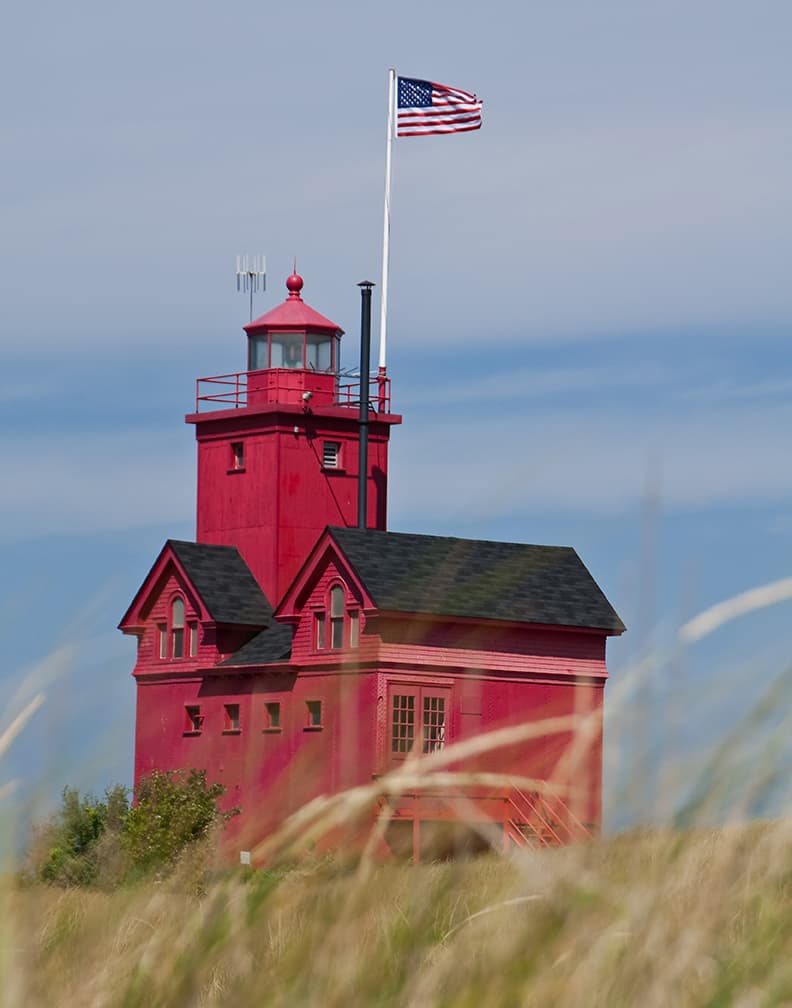
Lighthouses10 Most Beautiful Lighthouses in Michigan
Discover the 10 most beautiful lighthouses in Michigan, from the iconic Big Red in Holland to the remote Au Sable Light Station. Complete guide to visiting Michigan's most stunning lighthouses.
January 15, 2026
LighthousesMichigan Lighthouse Road Trip: Ultimate 7-Day Itinerary
Plan the perfect Michigan lighthouse road trip with this comprehensive 7-day itinerary covering the best lighthouse routes, driving distances, and where to stay along the way.
January 15, 2026
LighthousesVisiting Michigan Lighthouses: Complete Practical Guide
Everything you need to know about visiting Michigan lighthouses: which ones you can climb, tour schedules, costs, photography tips, and insider advice for planning your lighthouse adventure.